Tesla Robotaxi launches in Miami with no in-car safety monitor, targeting a dozen states by year end
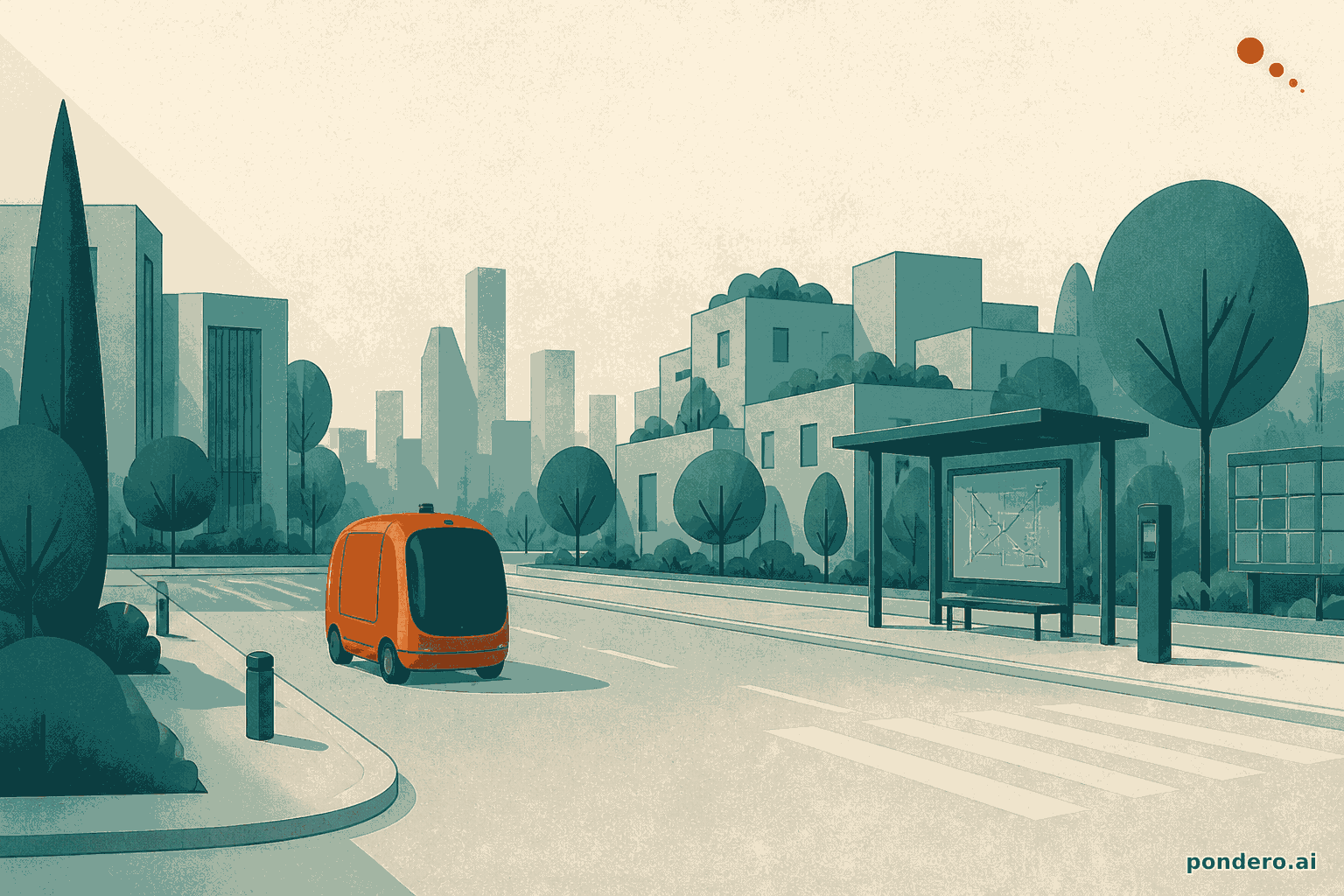
Tesla's Robotaxi service went live in Miami on July 5, its fifth city and the first outside Texas and California. The Cybercab operates on FSD v13 with no in-car safety monitor and no lidar, per AIToolsRecap's July 6 report citing The Information.
What
Miami joins Austin, San Francisco, Los Angeles, and San Jose as Tesla's active Robotaxi cities. The Cybercab is a purpose-built vehicle with no steering wheel; the only oversight is remote monitoring from Tesla's operations team. No in-car human monitor is present at any point during the ride, per the AIToolsRecap report on the July 5 Information story by Grace Kay.
FSD v13 powers the current production fleet. It processes feeds from eight exterior cameras and makes real-time driving decisions without lidar or high-definition maps. The training infrastructure is Tesla's Dojo 2 supercomputer, built for video-based neural network training at scale. Tesla has not published per-city incident rate data for the Robotaxi fleet, so independent safety verification is not currently possible.
Grok 4.5, currently in private beta at Tesla and SpaceX, is being evaluated for next-generation FSD reasoning. That integration is not in production. The Miami launch runs on FSD v13 as it stands.
Tesla said it targets deployment across a dozen US states by end of 2026. Because no federal autonomous vehicle framework governs these operations, each state requires its own permit under its own standards. Florida's permissive AV statute made it a straightforward next market after Texas and California. Reaching twelve states means twelve separate regulatory engagements, per AIToolsRecap's July 6 summary.
Why it matters
The absence of an in-car safety monitor is the policy decision that separates Tesla's approach from every other commercial robotaxi operator currently running at scale. Waymo's fleet uses lidar, radar, and cameras, and keeps remote operators available for intervention at all times. Tesla is betting that camera-plus-AI at the FSD v13 level is sufficient for fully unmonitored urban public operation. Miami is the most public test of that bet yet.
For teams building on xAI's Grok API, the Miami launch clarifies a timeline: Grok 4.5's integration into production FSD is not imminent. The private beta at Tesla is an evaluation, not a deployment. Developers tracking Grok's automotive use case should wait for a confirmed production rollout before building on any FSD-Grok integration assumption.
NHTSA has opened multiple investigations into Tesla FSD incidents over the past two years. None have resulted in an operational restriction on the Robotaxi service. Tesla's public position is that its per-mile data shows FSD at or above human driver safety baselines in the same cities. The company has not released that data publicly.
What to watch next
Two concrete signals to track: whether Florida's Department of Highway Safety reports any incidents during the Miami pilot, and whether Tesla's twelve-state expansion pace holds given the per-state permit requirement. The Grok 4.5 private beta result will also determine whether future FSD versions shift from a pure camera-trained stack to one augmented by frontier-model reasoning for edge cases.
Sources
- Tesla Robotaxi Is Now in Miami With No Safety Monitor: AIToolsRecap, July 6 2026, citing The Information (Grace Kay, July 5 2026)
- AI News July 6 2026: Grok 4.5, China Bans AI Personas, Tesla Robotaxi Miami, Grok Video Beats Sora: AIToolsRecap, July 6 2026