Kimi K2.7 Code becomes the first open-weight model available in the GitHub Copilot Business and Enterprise picker
GitHub completed the Copilot rollout of Moonshot AI's Kimi K2.7 Code on July 7, extending access to Business and Enterprise plans and, in doing so, put the first open-weight model into the Copilot picker for teams on those tiers. The launch landed while congressional investigations into Moonshot AI's products remained active, making the admin activation gate GitHub embedded in the rollout a more consequential design choice than it might otherwise appear.
What
Kimi K2.7 Code reached GitHub Copilot Business and Copilot Enterprise on July 7, 2026, per the GitHub Changelog. The model had already reached general availability for Copilot Pro, Pro+, and Max plans on July 1 in a prior changelog entry that flagged Business and Enterprise as the next stage. The July 7 update completed that two-stage rollout.
The model is Moonshot AI's open-weight coding model, hosted by GitHub on Microsoft Azure. It bills at provider list pricing under Copilot's usage-based billing system, which sits separate from the per-seat Copilot subscription fees organizations already pay per GitHub.
Developers can select the model in Visual Studio Code 1.127.0 or later, Visual Studio 17.14.6 or later, Copilot CLI, the GitHub Copilot cloud agent, the Copilot App, GitHub.com, GitHub Mobile (iOS and Android), JetBrains 1.9.1-251 or later, Xcode, and Eclipse per the July 1 GitHub Changelog.
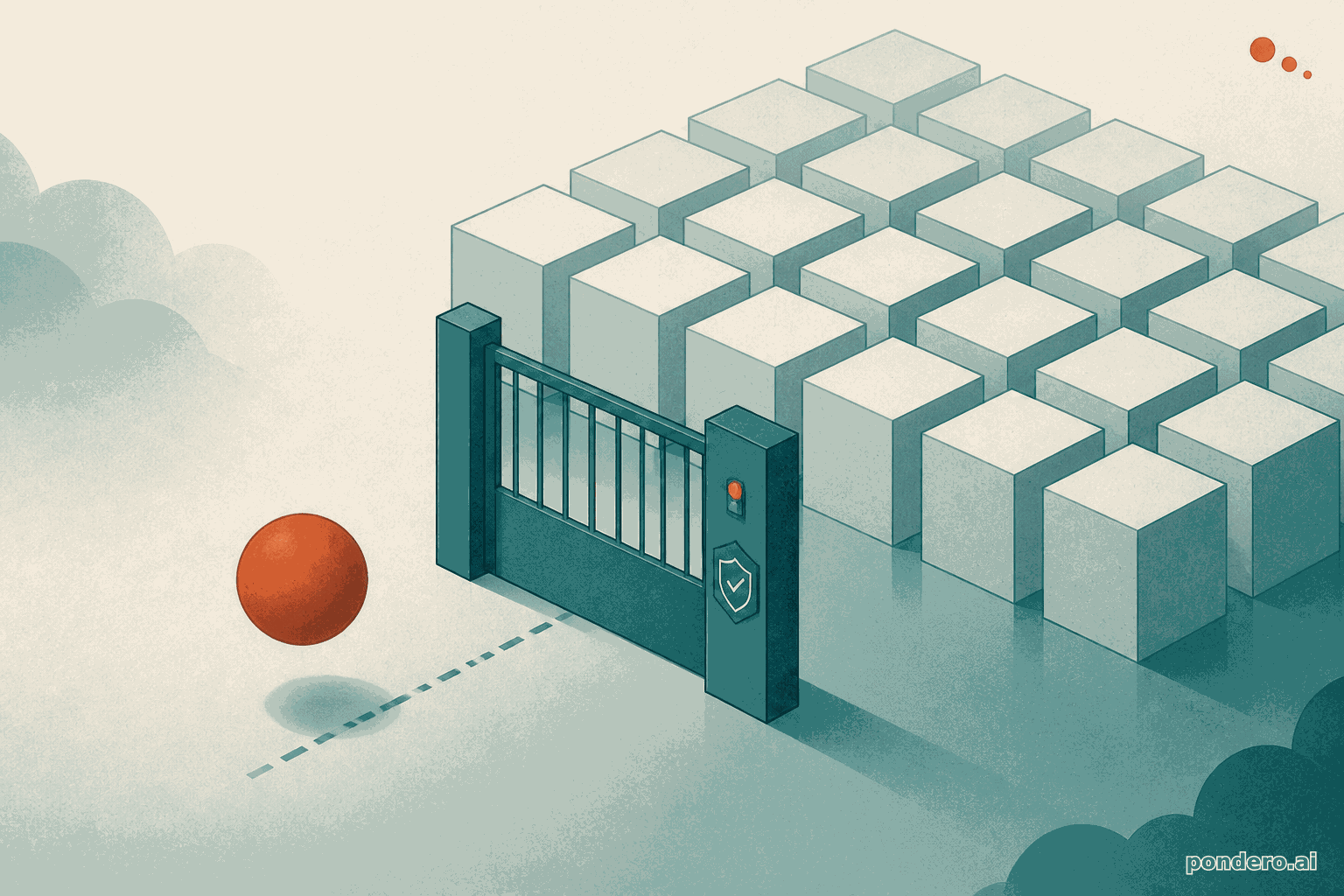
Access does not arrive on by default. Kimi K2.7 Code is off for both Business and Enterprise plans until a plan administrator explicitly enables the Kimi K2.7 Code policy in Copilot settings. If the policy is left off, the model remains unavailable to every member of that organization per GitHub. The changelog entry also carried an explicit note: GitHub recommends that administrators review open-weight models against their own security, compliance, and data-governance requirements before enabling them.
Why it matters
Every model previously available in the Copilot picker has been proprietary and closed-weight. Kimi K2.7 Code is the first open-weight option in the picker, which means security teams can, in principle, inspect the model's architecture and weights rather than depending entirely on vendor assurances about its behavior. That is a different trust surface from anything Copilot has offered before.
The admin-off gate changes where the compliance burden sits. Closed-weight defaults put organizations in a posture of accepting what is already there. Enabling Kimi K2.7 Code requires a policy change that leaves a record in Copilot settings, which enterprise security and legal teams can audit.
Pricing adds a practical dimension. Per GitHub, the model bills at provider list pricing under usage-based billing rather than the flat-seat model governing the base Copilot license. High-volume coding tasks may cost less on Kimi K2.7 Code than equivalent volume on closed-weight models in the picker, though per-token rates are not published in the changelog entry.
Taken together, those two factors put a specific decision in front of enterprise IT teams: a lower-cost open-weight coding model is now one admin policy toggle away, and turning it on is a documented, auditable act.
Context and reactions
The rollout arrived against a specific political backdrop. On April 29, 2026, the House Committee on Homeland Security and the House Select Committee on the Chinese Communist Party jointly launched a formal investigation into national security risks from PRC-developed AI models. The probe named Moonshot AI explicitly, alongside DeepSeek, Alibaba, and MiniMax. Its initial letters went to Anysphere, which makes the Cursor coding assistant, and Airbnb.
The letter to Anysphere focused on Cursor's Composer 2 model. The investigation alleged that Cursor's Composer 2 was built on a Moonshot AI open-weight model, and the committees raised concerns about supply-chain provenance and the removal of safety guardrails through model distillation. Per the congressional press release, the Chairmen cited reported figures showing PRC-developed AI models grew from approximately 1 percent of global AI workloads in late 2024 to an estimated 30 percent by the end of 2025.
GitHub's response to the regulatory environment was to build choice architecture rather than restriction. The company kept the model available, set it off by default, and issued an explicit compliance advisory in the changelog. That approach delegates the risk assessment to enterprise customers without withdrawing the option.
What to watch next
The near-term question is whether the House probe produces legislation or executive action that constrains Chinese-origin models in U.S. enterprise software tools. Any binding outcome could force GitHub to revisit the policy architecture it built for Kimi K2.7 Code, or remove the model from the picker entirely.
Separately, Kimi's inclusion may have set a precedent. The Copilot picker has stayed closed to open-weight models until now, and the arrival of one Chinese-origin model creates a template for others. Qwen and DeepSeek variants are the obvious candidates to follow.
Enterprise administrators will not make adoption data public, but GitHub's usage API data may eventually surface signals for organizations benchmarking Kimi K2.7 Code against the closed-weight options already in their workflows.
Sources
- Kimi K2.7 now available for Copilot Business and Enterprise (GitHub Changelog, July 7, 2026; primary source)
- Kimi K2.7 Code is generally available in GitHub Copilot (GitHub Changelog, July 1, 2026; initial GA announcement)
- Chairmen Garbarino, Moolenaar Announce Joint Investigation into National Security Risks Posed by PRC AI Models (House Homeland Security Committee, April 29, 2026)