Blueprints AI's V2 updates every building-discipline drawing from one edit
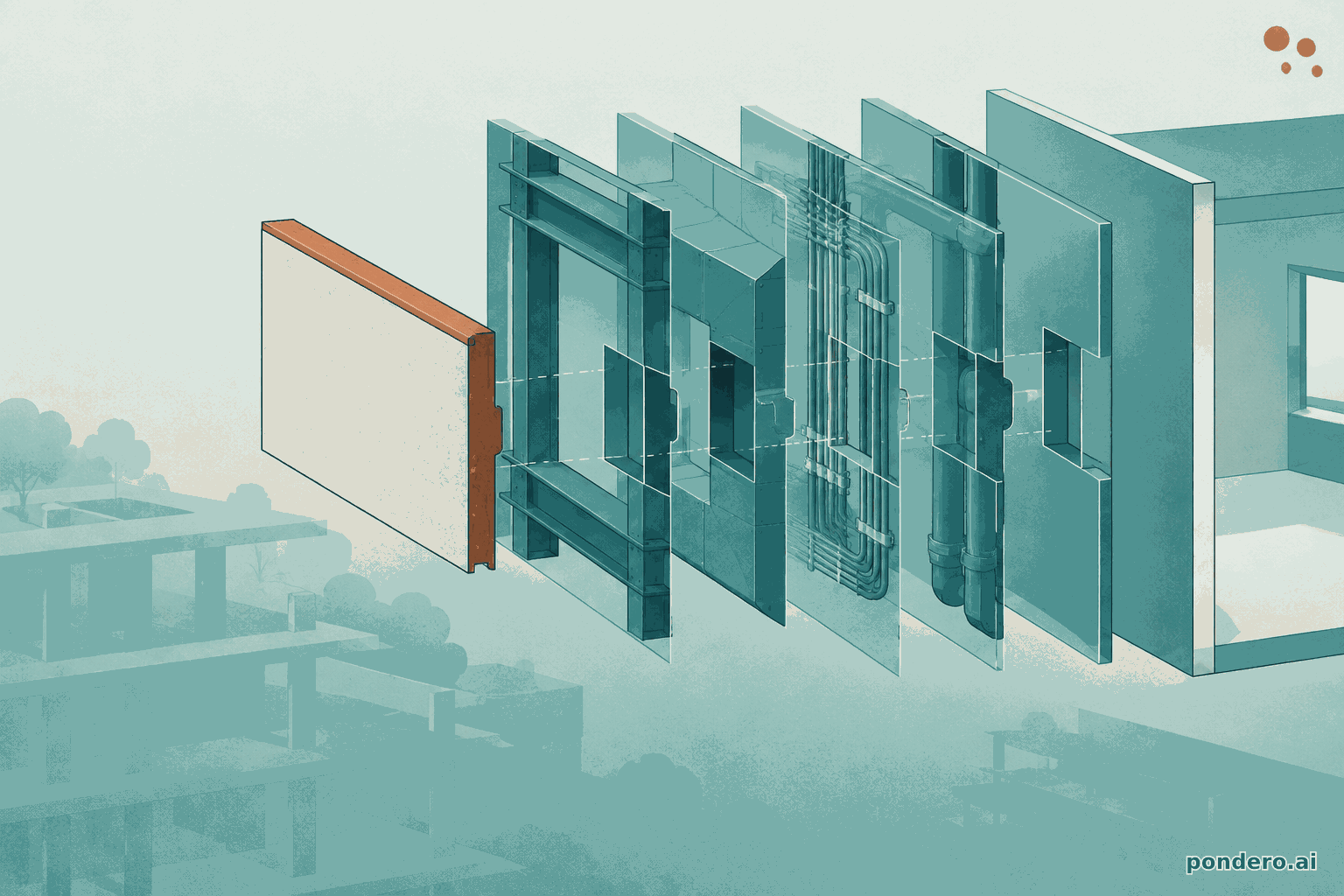
Santa Monica startup Blueprints AI opened its second-generation construction-document generator to the public the week of October 12, and the headline feature is coordination: move a wall in the architectural set and the structural, mechanical, electrical, plumbing, and interior drawings update with it, then get re-checked against local building code automatically, per TechCrunch's reporting.
What changed
Blueprints AI's first version, which TechCrunch reported runs $3,200 to $8,500 a month depending on plan, already turned a 2D sketch or PDF into architectural construction documents. Version 2, unveiled this week at TechCrunch Disrupt in San Francisco, starts from a sketch or written description and generates blueprints across every discipline at once rather than architecture alone. Founder Al Dram and co-founder Coco Cao told TechCrunch that a single design change now propagates through the whole document set and gets validated against local code in the same pass, a step firms currently do by hand across separate drafting teams. Early customers are already testing V2, and Dram said a third version, adding structural analysis and electrical panel design, is already in development.
The company trained its models on eight years of approved drawing sets pulled from Dram's own architecture and construction firm, Drams Design-Build, which he still runs alongside Blueprints AI, per TechCrunch. Output is marketed as permit-ready, but Dram and Cao said licensed architects still review and seal every document before it goes to a permit office, so the AI output does not replace the professional sign-off a jurisdiction requires.
The pitch is reclaiming drafting hours, not replacing architects
Dram told TechCrunch that architects spend about 80% of their time on drafting and only 20% on design, a ratio he said Blueprints AI is built to invert. For a firm that adopts V2, the practical test is narrower than that pitch: does a single coordinated edit actually hold up through a real permit review, or does a human reviewer still end up re-checking each discipline's drawing by hand anyway. That is the gap between a vendor's workflow claim and a verified outcome, and it is the detail worth watching before any firm restructures its staffing around the tool.
What to watch next
Watch for the first AEC firm to publish a case study on permit turnaround time using V2 output, since that would be the first outside confirmation of the coordinated-update claim rather than the founders' own account. Blueprints AI's planned V3, covering structural analysis and electrical panel design, is the next concrete milestone Dram has committed to publicly.
Sources
- This AI startup says it can generate permit-ready blueprints in minutes: TechCrunch, October 12, 2026
- Blueprints AI: company site