China's AI Companion Law Takes Effect, Forcing Doubao and Qwen to Shut Down User-Created Agents
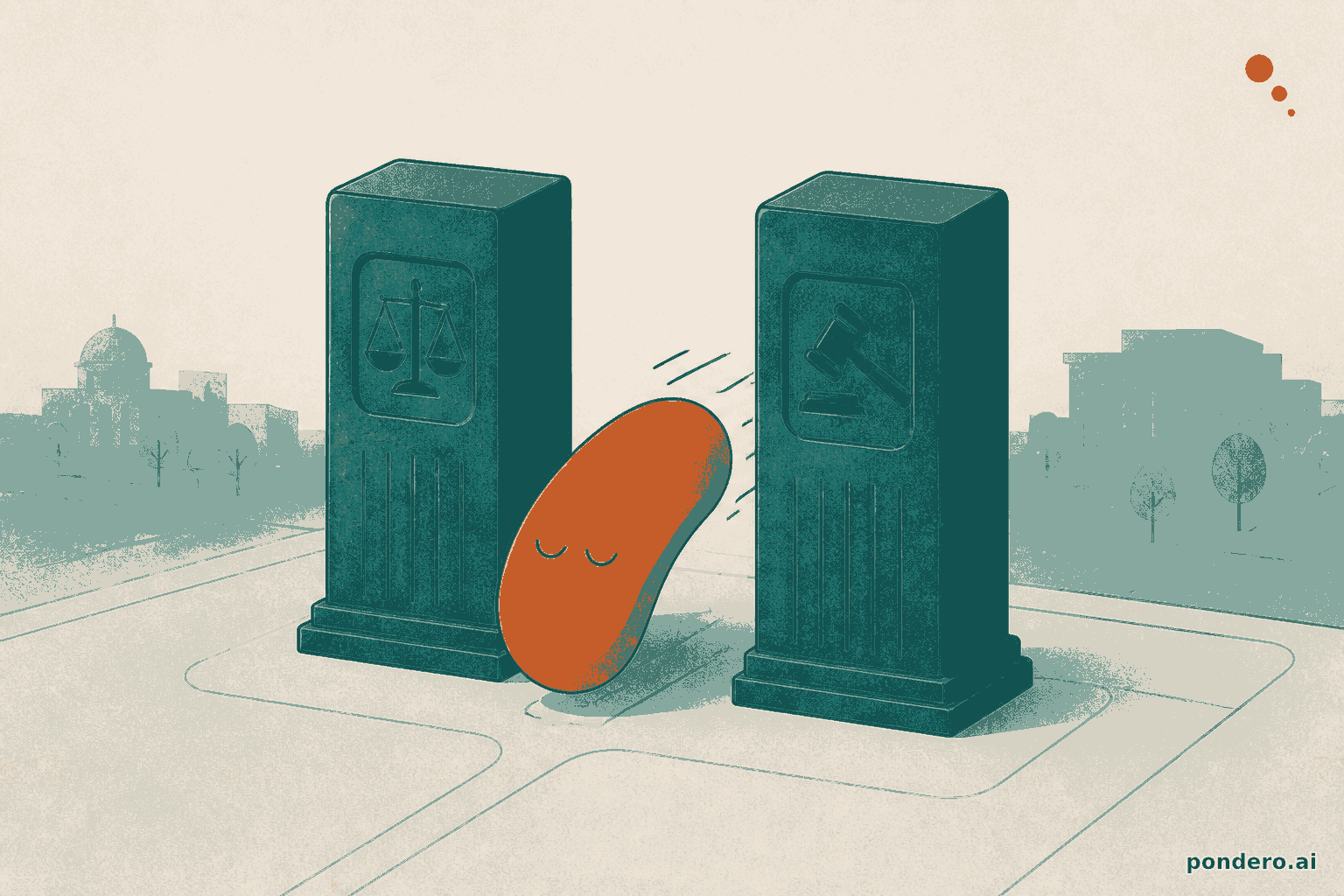
China's Interim Measures for the Administration of Anthropomorphic AI Interaction Services took effect July 15, 2026, the first binding national law on AI companion and persona services to reach enforcement anywhere in the world. ByteDance and Alibaba both shut down their user-created AI agent platforms on the same day, with permanent data deletion set for October 15.
What happened
The Cyberspace Administration of China and four other government bodies issued the rules in April 2026 per The Next Web. The law covers services that "simulate human personality traits, thinking patterns and communication styles to provide sustained emotional interaction" per SCMP. Customer service bots, knowledge Q&A systems, workplace assistants, and educational tools are exempt, provided they avoid sustained emotional engagement.
ByteDance announced the shutdown of Doubao's agent-creation features on July 5, citing "product function adjustments" per SCMP. All user-created agents went offline July 15. Agent data becomes permanently unrecoverable after October 15. Alibaba's Qwen issued a compliance notice on July 6, disabled humanlike interactive agents July 10, and took broader agent functions offline July 15. Users of both platforms lost access to agent configurations, persona settings, and prior conversation histories.
Tencent removed its "Yuanbao" companion feature in June ahead of the deadline. Shanghai authorities had pulled more than 14,000 non-compliant agents from domestic platforms by June 26, 2026 per Global Times.
The law requires platforms to build anti-addiction systems, verify the ages of underage users, and implement content moderation for AI-generated responses. It also mandates that users retain "the ultimate right to know and the right to veto" decisions made by AI agents per Global Times.
Why it matters
China's regulation is the first national framework to draw a hard legal line between productivity-focused AI agents (permitted) and persistent-memory emotional companions (restricted). No other jurisdiction has passed binding rules specifically targeting sustained-interaction AI persona services. That gap matters to any operator running AI agent products globally: the EU's AI Act and UK regulators have each flagged AI companion risk as an active review area, and a working Chinese enforcement model gives them a reference point.
The immediate operational consequence is concrete. Custom persona creation, persistent memory, and emotional-interaction features are not viable product lines in China without architecture satisfying the anti-addiction and identity-verification requirements. ByteDance and Doubao both acted within days of each other, well before the deadline, a signal that Chinese AI labs treated the law as a firm constraint rather than a line to negotiate.
For teams building AI companion or role-play agent products outside China, the October 15 data-deletion deadline provides a benchmark for how quickly user-created content can be destroyed when a regulator deems a product category non-compliant. Building for data portability and graceful shutdown is no longer just a theoretical design consideration.
What to watch next
The first enforcement action against a smaller Chinese AI app that missed the July 15 deadline will show how aggressively regulators plan to apply the rules beyond the largest platforms. Both EU and UK AI companion guidance is at draft stage, and officials have cited Chinese regulatory moves as reference points in public consultations. Any formal citation of this law in an EU or UK regulatory document would signal that companion-AI compliance is moving from a regional Chinese requirement into a global product design constraint.
Sources
- China's AI companion rules take effect today (Global Times, July 15, 2026)
- ByteDance and Alibaba disable humanlike AI custom agents as new rules loom (SCMP, July 2026)
- China's humanlike AI agent rules (The Next Web, July 2026)