OpenAI's GPT-6 update lets ChatGPT answer with tappable diagrams instead of text
ChatGPT no longer has to answer a question with a paragraph. Starting 2026-10-07, OpenAI began rolling out Intelligent UI alongside GPT-6, a feature that lets the model build an interactive diagram, calculator, or chart on the spot and drop it into the reply, per OpenAI's announcement.
What OpenAI shipped
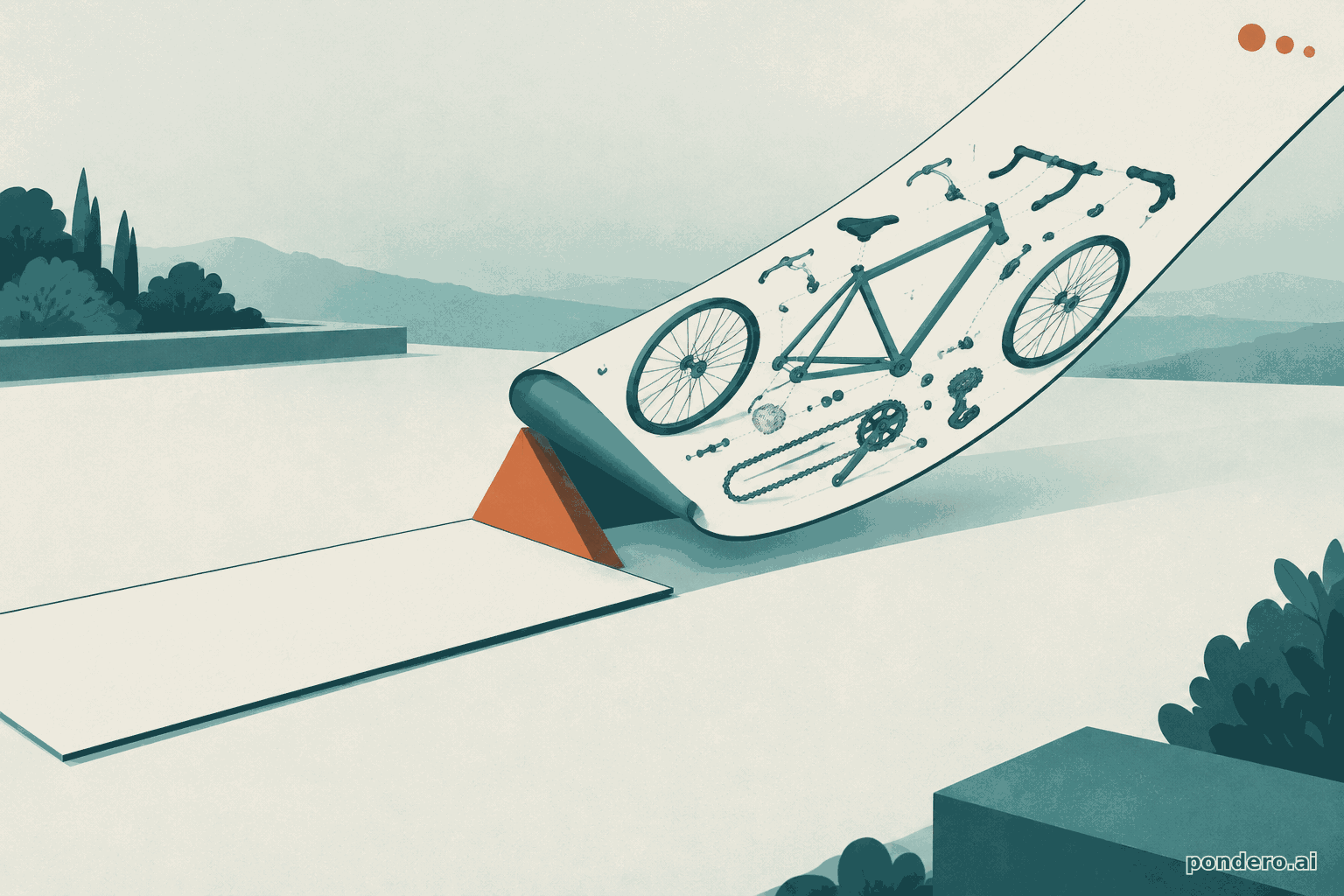
OpenAI says it trained GPT-6 to decide, question by question, whether to answer in plain text or generate graphics, forms, tappable buttons, and other interactive elements, according to the company's blog post. The published example shows a user asking how a seven-speed bicycle works and getting back an interactive diagram with buttons that highlight the frame, wheels, drivetrain, brakes, and cockpit as they're tapped. Behind that, OpenAI built a library of native streamable interface components and a compiler that renders the layout as the model generates it, rather than waiting for the full response, per the same post. TechCrunch reported additional demos from an OpenAI press call, including a hiking-route map, a retirement savings calculator, and a bill splitter generated inline with the chat response, per TechCrunch's writeup.
The rollout covers the Chat tab only. Plus, Pro, Business, and Enterprise tiers got access starting October 7, with Free and Go tiers following October 8; Enterprise access depends on each workplace's admin settings, per OpenAI. Paid tiers run on a model OpenAI calls GPT-6 Sol, while Free and Go tiers run GPT-6 Luna. OpenAI's post is explicit that Work and Codex, the company's developer and coding surfaces, are not affected by this release.
ChatGPT's output format just became unpredictable for anything built on top of it
For anyone building a workflow that scrapes, screenshots, or forwards ChatGPT's consumer-app replies, output can no longer be assumed to be plain text. A tax-planning question might come back as a formatted comparison table one day and an interactive calculator widget the next, depending on what GPT-6 decides fits. TechCrunch reported that OpenAI is making the visual density adjustable, similar to other personality settings, so users who want fewer graphics can turn them down. There is no mention in OpenAI's post of an API-level switch for developers to request or suppress Intelligent UI output, and the change is scoped to ChatGPT's own Chat tab rather than the API products most third-party tools build against.
Context
OpenAI's post frames the move as philosophical as well as technical: "software will adapt to people," instead of people learning fixed software interfaces. The Verge's coverage notes this follows OpenAI's first GPT-6 release for paying customers last month, meaning Intelligent UI is the feature that extends GPT-6 to ChatGPT's free tier rather than a standalone model launch. OpenAI product manager Aarush Selvan told reporters on the press call that the company wants users to get things done, not just read text, per TechCrunch.
What to watch next
Watch for independent testing of how often GPT-6 picks the right format for a given question versus defaulting to graphics unnecessarily, and whether OpenAI extends any version of Intelligent UI to the API or to Work and Codex, which this release explicitly excludes.
Sources
- GPT-6 and Intelligent UI for everyone: OpenAI, primary announcement
- ChatGPT's 'Intelligent UI' update fills its responses with pictures, charts, and buttons: The Verge, secondary confirmation
- ChatGPT is getting a lot more visual, with the launch of a new interface: TechCrunch, secondary confirmation with press-call details