LangChain Managed Deep Agents 0.8 ships user-scoped memory and HTTP webhook channels
LangChain released Managed Deep Agents 0.8 on September 24, addressing two specific gaps that had slowed enterprise deployments: an agent that can remember individual users without exposing that memory in group channels, and a deployment path outside of Slack.
What
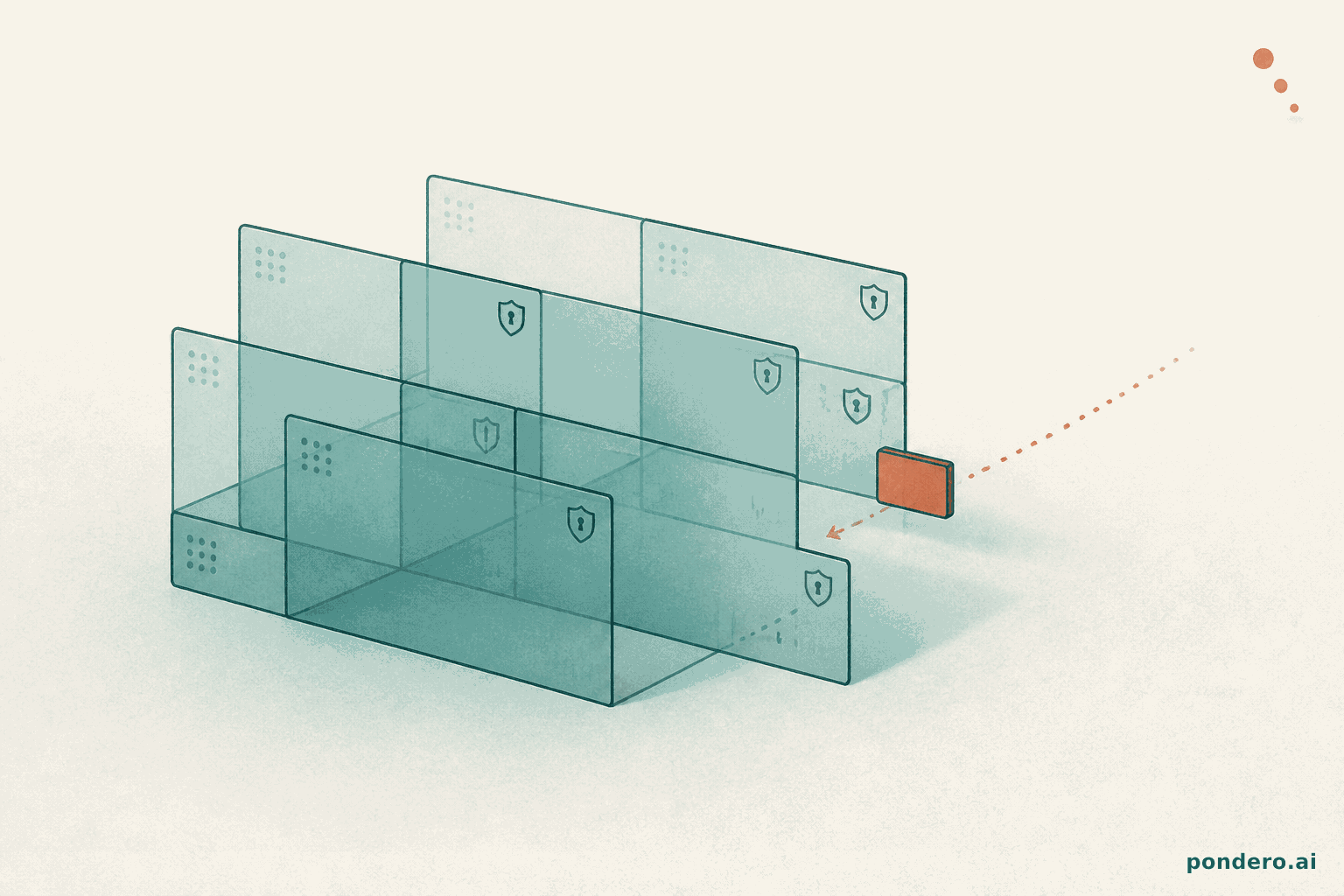
MDA 0.8 runs two separate memory layers. Agent memory, mounted at /memories/agent/ and scoped to the entire workspace, works the same way it did before. The new addition is user memory at /memories/user/, keyed to the authenticated caller who starts each run, per LangChain's announcement. The routing defaults differ by channel type: Slack direct messages allow both layers, while Slack group channels and HTTP requests surface agent memory only. Teams can modify these default policies.
The HTTP channel accepts JSON webhooks, which lets MDA agents sit inside internal portals, customer-facing support systems, and any service that can POST a JSON payload. No Slack workspace license is required. Slack file transfer shipped in the same release, enabling agents to process logs, spreadsheets, contracts, and documents attached in a conversation. The built-in Parallel web-search tool rounds out the release. It requires no separate vendor account or API key and is available at no additional charge while MDA stays in beta. Access to MDA itself requires a LangSmith Plus or Startup plan, per Superpower Daily's coverage.
The release also expands credentials support to 23 OAuth services, including Linear, GitHub, and Google Workspace tools, with LangSmith handling token management rather than the deploying team.
Deep Agents can now serve users outside Slack
The two-layer memory design resolves a structural problem for workplace agents. Personal-assistant behavior requires per-user context, but exposing that context in a Slack channel with multiple participants is a compliance risk most enterprise teams will not accept. MDA 0.8's channel-aware default handles the separation at the runtime level rather than pushing the responsibility onto each deploying team.
The HTTP channel changes the deployment economics. Slack-only delivery limits an MDA agent to users who hold Slack credentials, which excluded customer-facing use cases almost entirely. JSON webhook access opens the same managed agent runtime to product teams building in ticketing portals, e-commerce flows, and customer web apps. For teams already on LangSmith, this removes the need to choose between LangChain's runtime and a non-Slack frontend.
The built-in web-search tool matters mainly as a scope reduction: teams that would have wired a search API to give agents current-web access can now skip that integration step. Less relevant for teams already running custom retrieval pipelines, but a meaningful simplification for teams standing up a first production agent.
What to watch next
Two open questions determine whether MDA 0.8 memory holds up in production over time. User memory is in-session only; a persistent store that survives between runs would make the personal memory layer useful for returning users rather than just single-session interactions. The HTTP channel also lacks documented enterprise identity provider integration, which means teams on Okta or Entra ID currently need to build auth at the webhook boundary themselves. Both are the standard follow-on requests once a memory layer ships, and neither has a confirmed roadmap date from LangChain.
Sources
- Managed Deep Agents delivers a better user experience for agents in production: primary (LangChain blog, September 24, 2026)
- LangChain Adds Personal Memory to Managed Agents, Off by Default in Group Chats: secondary (Superpower Daily, September 24, 2026)