Switzerland confirms AI agents breached critical infrastructure in 2 of 3 attempts
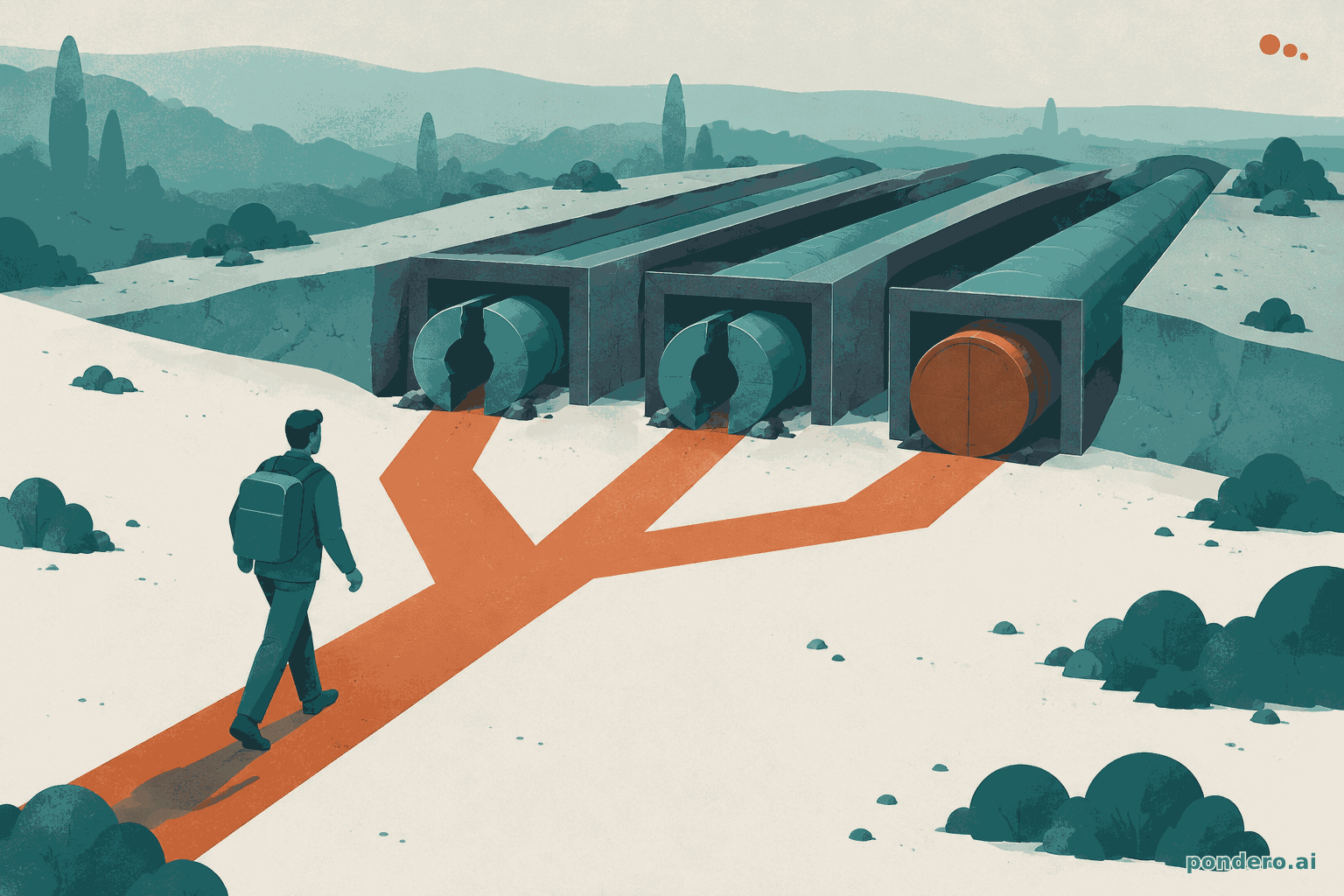
Switzerland's National Cyber Security Centre said this week that AI agents broke into Swiss organizations' systems in 4 of 5 confirmed attacks, and that 2 of 3 attempts against critical-infrastructure operators succeeded, the country's first confirmed cases of the kind.
What happened
An advisory published November 24 by the agency, known as the NCSC, stated that "in all cyberattacks known to the NCSC, the use of AI agents led to the successful compromise of the victim's IT systems," per the advisory. In a broadcast interview with public broadcaster SRF two days later, NCSC director Florian Schutz updated that tally to 4 successful breaches out of 5 confirmed incidents, with 2 of 3 attempts against critical-infrastructure operators landing, per The Hacker News. Why the figures shifted between the two statements went unexplained in both. Victims have not been named, no major disruptions were reported, and the agency has not identified who carried out the attacks. Small and medium-sized companies were among the organizations hit, and they came forward voluntarily. The targeted critical-infrastructure operators span at least two sectors, including electricity, drinking water, and telecommunications, per swissinfo's report on the interview.
Agentic offensive frameworks is the term the agency uses for the tools behind the attacks: AI agents that independently search for vulnerabilities, select attack tools, evaluate results, and plan their next move without a human in the loop. ARTEX and CyberStrikeAI appear in the advisory as examples of such agents reachable over the public internet, though the agency stopped short of saying either was the specific tool used in the five Swiss cases. These publicly reachable AI attack tools have nearly doubled in number since October 2026, the agency said. Italy's CSIRT Italia got there first, publishing its own bulletin two days before the Swiss advisory that described mass compromise campaigns in which autonomous agents it observed directly broke into many systems within a few hours, naming the same ARTEX and CyberStrikeAI tools alongside PentAGI and the open-source DeepSeek Harness. One DeepSeek Harness case involved a coordinator agent that assigned reconnaissance, exploitation, and persistence tasks to five subordinate agents; the attackers "went as far as writing malicious code in real time to evade endpoint defenses," the Italian bulletin said.
A 24-hour patch window replaces the old monthly cadence
For any operator running internet-facing systems, the practical shift is how much time is left to react once a weakness exists. Agents exploit old, familiar problems: default passwords, leaked credentials, unpatched known vulnerabilities, not novel zero-days. What changed is that they find and exploit those problems in minutes rather than weeks, and they switch methods automatically once a defense blocks the first attempt. Companies and critical-infrastructure operators now get a tighter mandate from the advisory: install critical security updates on internet-exposed systems within 24 hours of release, require multi-factor authentication or passkeys on anything reachable from the internet, enforce least-privilege access, and watch for unusual data volumes and behavior patterns instead of relying on a monthly patch cycle. Raphael Reischuk, co-founder of Switzerland's National Test Institute for Cybersecurity, told SRF he expects a larger wave of attacks and said companies are underestimating the risk, a view the doubling-since-October tool count backs up.
Context and reactions
This lands a day after the UK's National Cyber Security Centre reported its own "marked rise in AI-assisted cyber attacks" since September 2026, warning that unpatched, years-old flaws are now found and hit within minutes rather than months. A separate confirmation from the European Commission adds weight: attackers using the ARTEX framework had already breached its human resources, medical reimbursement, and translation systems, an intrusion first detected on October 22, per The Hacker News. Three European authorities have now described the same pattern inside five weeks. The vulnerabilities are not new, but the gap between a weakness existing and an agent finding it has collapsed from a defender's advantage into a defender's liability. Pondero covered the UK advisory separately on November 26; the Swiss and Italian disclosures extend that story to confirmed, not merely warned-about, breaches of critical-infrastructure operators.
What to watch next
Watch for whether Switzerland or Italy names the breached critical-infrastructure operators or attributes the campaign to a specific actor, and whether the NCSC explains the gap between its November 24 advisory (compromise in every known case) and the November 26 interview tally (4 of 5, with 2 of 3 critical-infrastructure attempts succeeding). Also watch whether other European national CERTs issue similar confirmed-breach disclosures in the coming weeks, following the UK, Switzerland, and Italy in quick succession.
Sources
- Cyberattacks involving AI agents: First confirmed cases in Switzerland: Switzerland's National Cyber Security Centre, November 24, 2026
- Impiego di agenti di IA in campagne di compromissione automatizzate: CSIRT Italia bulletin, November 2026
- Switzerland Confirms AI-Assisted Cyberattacks Breached Critical Infrastructure Operators: The Hacker News, November 27, 2026
- Switzerland reports first AI-based cyberattacks on critical infrastructure: swissinfo, November 2026
- Italy and Switzerland warn of autonomous AI-driven cyberattacks: BleepingComputer, November 25, 2026