Google opens Home MCP early access so AI agents can control Nest and Matter devices
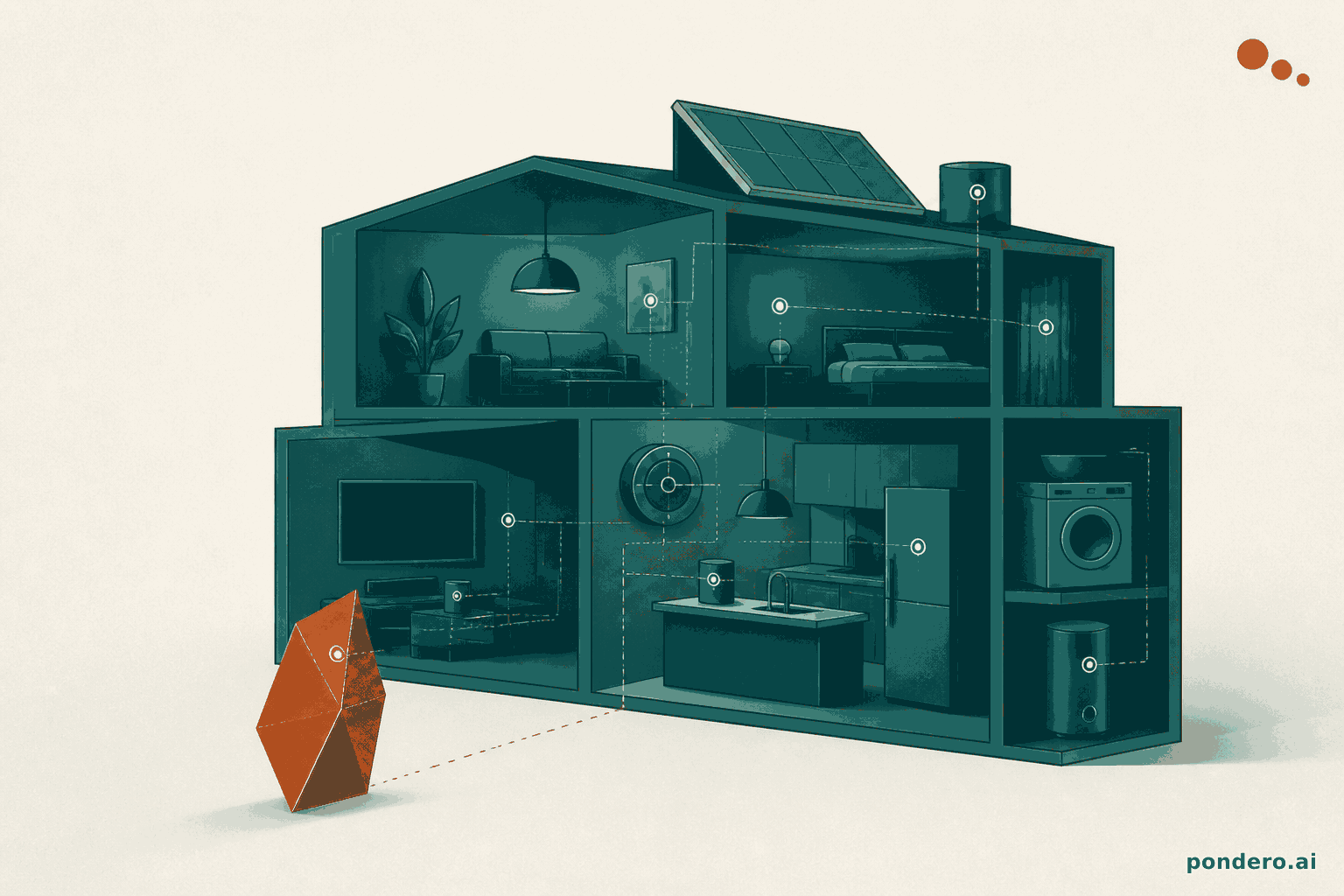
For the first time, a major smart home platform is reachable through the Model Context Protocol: Google opened early access to Home MCP on September 16, 2026, letting any MCP-compatible agent enumerate connected devices, query real-time state, execute control actions, and pull event history from a user's Google Home ecosystem.
What
Google rolled out Home MCP to Google Home Premium Advanced subscribers in the United States, a tier priced at $20 per month. The server exposes four capability clusters, per Google: listing rooms and devices in a structure, reading live state (for example thermostat temperature or connectivity status), executing parameterized device actions, and querying historical event logs. Google named five agents it tested with the server at launch: Claude, ChatGPT, Hermes, OpenClaw, and Google Antigravity.
Supported hardware covers the full Google Home catalog, including Nest doorbells, Nest thermostats, and any device certified for Works with Google Home or Matter, such as smart light bulbs. Setup requires creating a Google Cloud project, configuring it for Home MCP, providing the configuration to an agent of choice, and granting sign-in permissions when prompted.
Google already operates MCP endpoints across Google Cloud, Workspace, and its data platforms. Home MCP is its first offering aimed at consumers running personal AI agents rather than developers building enterprise integrations.
Why it matters
Until now, AI agents could reach smart home devices only through proprietary connectors built one vendor at a time. Home MCP changes that picture: any agent that implements the standard can now send natural-language instructions to Nest hardware, read camera summaries, monitor activity logs, and build automation routines, without a custom integration for each platform.
For teams building agentic workflows, this opens a class of automations that depend on real-time physical data. A home-monitoring agent could combine a thermostat state query, a doorbell event log review, and an outbound notification in a single tool-call chain, all over the same MCP transport already used for cloud data sources.
The rollout is narrow by design. Google limited initial access to Premium Advanced subscribers in the U.S. and declined to say when the server would reach other tiers or markets. The practical addressable user base is small today. The architectural precedent, though, is meaningful: a top-five smart home ecosystem has committed to MCP as the standard agent-facing interface for physical devices.
What to watch next
Two milestones will determine how quickly Home MCP moves from early access to broad impact. First, whether Google expands beyond the Premium Advanced tier in the U.S. and how fast. Second, whether Matter-device manufacturers add their own MCP endpoints that agents can reach directly, bypassing the Google Home hub entirely. Google is soliciting feedback through its Smart Home for Developers Community during the current early-access window.
Sources
- Your AI agents can now control your Google Home devices (TechCrunch, September 16, 2026)
- Google Opens Home MCP Early Access to AI Agents for Smart Home Control (Unite.AI)
- Google Home is going agentic via integration with the MCP standard (Engadget)